Tra Que Vegetable Village Travel Guide – A Taste of Hoi An’s Herbal Farming Tradition
Tra Que has been associated with vegetable cultivation for centuries and is especially well known for its aromatic herbs. The village name is traditionally linked to the distinctive fragrance of the herbs grown here, which are an important part of Hoi An and Quang Nam cuisine.
Located in the Cam Ha area, roughly 3 km northwest of Hoi An Ancient Town, the village covers more than 40 hectares of cultivated land. Its combination of farming traditions, fresh produce, countryside scenery, and hands-on activities makes it one of the most interesting places to visit near Hoi An.
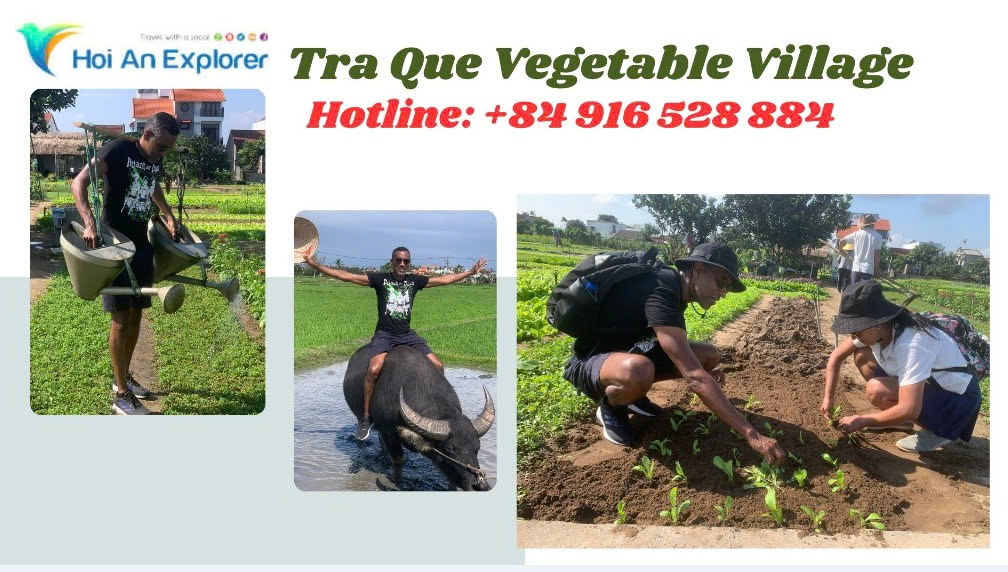
For travelers who want more than sightseeing, a visit to Tra Que can become a genuine farm-to-table experience. You can walk among the vegetable beds, meet local farmers, try traditional farming techniques, pick herbs, and even use freshly harvested ingredients in a Tra Que cooking class.
Tra Que Vegetable Village Travel Guide: What You Need to Know
- What makes Tra Que Vegetable Village special?
- How do you get to Tra Que from Hoi An?
- What is the best time to experience traditional farming?
- Does Tra Que Vegetable Village have opening hours?
- What activities can travelers enjoy in Tra Que?
- How much does it cost to visit Tra Que Vegetable Village?
- What food should you try in Tra Que?
- What should you bring for a farming and herb garden experience?
What Makes Tra Que Vegetable Village Special?
Tra Que is not simply a vegetable garden created for tourists. It remains a working agricultural community where local families continue to cultivate herbs and vegetables as part of everyday life.
That is what gives the village its charm. During a visit, you can see farmers tending their crops, learn about traditional agricultural practices, and understand why fresh herbs play such an important role in Vietnamese cuisine.
Traditional Organic-Style Farming
One of Tra Que’s most interesting features is its traditional approach to cultivation. Farmers have long relied on natural materials, including seaweed collected from nearby waterways, together with compost and other organic matter, to enrich the soil.
The result is a fertile growing environment for leafy greens, herbs, vegetables, and aromatic plants. Many of these ingredients eventually find their way into Hoi An dishes, where fresh herbs are often just as important as the main ingredients.
A Hands-On Farming Experience
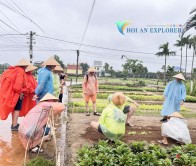
Rather than simply looking at the gardens, visitors can join selected farming activities. Depending on the season and the daily work of the farmers, you may have the opportunity to water plants, prepare soil, plant seedlings, rake natural fertilizer, or harvest vegetables.
It is simple work, but that is exactly why many travelers enjoy it. You get to slow down, work with your hands, and experience a small part of rural Vietnamese life.
From Garden to Vietnamese Kitchen
Tra Que is closely connected to the food culture of Hoi An. Fresh herbs grown in the village are commonly served with local specialties such as Banh Xeo, Cao Lau, Mi Quang, and Vietnamese fresh rolls.
This connection between agriculture and cuisine is also why a Hoi An cooking class combined with a village visit can be such a rewarding experience.
Peaceful Countryside Scenery
Tra Que is especially beautiful in the early morning and late afternoon. Rows of green vegetables stretch across the fields, narrow paths connect the gardens, and the surrounding countryside feels wonderfully calm compared with the center of Hoi An.
Bring a camera if you enjoy photography. The gardens, farmers, bicycles, water buffalo in the wider countryside, and traditional farming scenes provide plenty of natural photo opportunities.
How to Get to Tra Que Vegetable Village from Hoi An
Because Tra Que is so close to Hoi An Ancient Town, getting there is easy. Your best choice depends on whether you want a relaxing ride, convenience, or a guided experience.
By Bicycle
Cycling is one of the nicest ways to reach Tra Que. The route is relatively flat, and you can enjoy rice fields, village houses, small roads, and countryside scenery along the way.
The journey usually takes around 20–30 minutes, depending on your starting point and cycling speed. Many hotels and homestays in Hoi An provide bicycles, while local rental shops are also easy to find.
By Motorbike
A motorbike is a convenient option if you want to combine Tra Que with other attractions around Hoi An. From the Ancient Town area, the ride can take approximately 10–15 minutes depending on traffic and your exact starting point.
Always follow local traffic regulations and wear a helmet.
By Taxi or Motorbike Taxi
If you prefer not to drive, a taxi or motorbike taxi is an easy choice. The trip is short, making this option particularly convenient for travelers visiting during the hotter part of the day.
By Private Car
Families and small groups may prefer a private car, especially when combining Tra Que with other destinations around Hoi An or Da Nang. A private vehicle also gives you more flexibility with pickup times and your itinerary.
By Organized Tour
A guided tour is ideal if you want more than transportation. Many Tra Que village tours combine farming activities with a cooking experience, market visit, cycling, or other countryside attractions.
For travelers interested in learning about local agriculture and food at the same time, a combined tour can save planning time and create a more complete Hoi An countryside experience.
When Is the Best Time to Experience Traditional Farming in Tra Que?
Tra Que can be visited throughout the year, but weather conditions can make a noticeable difference when you are walking or working outdoors.
Best Periods: February to April and September to December
These periods are often comfortable for outdoor activities, with generally milder conditions than the hottest months. The fields can look especially fresh and green, making this a pleasant time for cycling, photography, farming, and village walks.
May to July
These months can be hot and humid, particularly around midday. However, the gardens can be highly productive, and early morning visits are a good way to avoid the strongest heat.
August
August can still be warm, but conditions may be suitable for travelers who plan their activities around the cooler parts of the day. Keep an eye on the weather forecast before setting out.
January
January can bring cooler temperatures and occasional rain. The weather may change quickly, so a light rain jacket or umbrella can be useful.
The Best Time of Day
Early morning, around 5:00 AM–7:30 AM: This is one of the best periods for seeing farmers actively working in the fields. The temperature is cooler, the air feels fresh, and the village has a quiet but lively rhythm.
Late afternoon, after around 4:00 PM: Temperatures become more comfortable, and the softer light is excellent for photographs. It is also a pleasant time to walk or cycle around the village.
If you want the most authentic farming atmosphere, early morning is usually the better choice.
Weekdays vs. Weekends
Weekends and public holidays can be busier, especially when organized tour groups arrive. For a quieter experience, consider visiting on a weekday or arriving early in the morning.
Hoi An’s weather can also change quickly, particularly during the rainy season. Check the forecast before booking outdoor farming activities.
Does Tra Que Vegetable Village Have Opening Hours?
Unlike a museum or theme park, Tra Que Vegetable Village is a living agricultural community rather than a traditional attraction with a fixed daily opening schedule.
Farmers follow their own agricultural routines, so activity levels naturally change throughout the day and according to the season.
Early Morning: The Most Active Period
Between approximately 5:00 AM and 7:30 AM, farmers may be planting, watering, harvesting, preparing soil, or transporting vegetables. This is a wonderful time to see the village as a real working community.
Late Afternoon: Cooler and More Photogenic
After 4:00 PM, the temperature usually becomes more comfortable. Some farmers may still be working, while the softer afternoon light creates attractive conditions for photography.
If your priority is participating in farming rather than simply taking photographs, it is best to arrange the experience in advance with a local tour or host.
What Can You Do at Tra Que Vegetable Village?
A visit to Tra Que can be as active or relaxed as you like. The experience is not limited to walking through vegetable fields.
Join a Traditional Farming Experience
This is the heart of the Tra Que experience. You can learn how local farmers prepare the soil and care for their crops using traditional techniques.
Depending on the season, activities may include:
- Raking and preparing natural fertilizer
- Planting seedlings
- Watering vegetable beds
- Harvesting herbs and vegetables
- Learning about traditional cultivation methods
- Talking with local farmers
It is a great way to understand the work behind the fresh herbs that appear on your Vietnamese dinner table.
Take a Tra Que Cooking Class
After working in the fields, cooking is a natural next step. Several local experiences allow visitors to collect or use fresh ingredients before learning how to prepare traditional Vietnamese dishes.
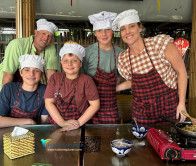
A Tra Que cooking class can introduce you to techniques such as preparing Vietnamese herbs, mixing dipping sauces, making rice-paper rolls, and cooking popular local dishes.
The best part comes afterward: sitting down to enjoy a meal prepared with your own hands.
Explore the Herb Gardens
Take your time walking between the garden plots and look closely at the variety of herbs and vegetables. If you are unfamiliar with Vietnamese cooking, you may recognize only a few of them at first.
A local guide can explain which herbs are traditionally served with different dishes and how they contribute to Vietnamese flavors.
Enjoy a Traditional Herbal Foot Bath
After cycling or farming, an herbal foot bath can be a relaxing addition to your visit. Local herbs are traditionally used to create a soothing experience for tired feet.
It is particularly enjoyable after spending time outdoors in the fields.
Cycle Around the Countryside
Tra Que is also an excellent starting point for exploring the countryside by bicycle. Quiet lanes connect the vegetable gardens with rice fields, villages, waterways, and other rural areas around Hoi An.
For a broader countryside adventure, consider combining the village with a Hoi An farming tour.
Enjoy the Sunset
Late afternoon brings a different atmosphere to the village. The sunlight becomes warmer, temperatures drop, and the green fields can look particularly beautiful.
It is a peaceful way to finish a countryside excursion before returning to Hoi An Ancient Town for dinner.
Tra Que Vegetable Village Entrance Fee and Tour Costs
Visitors should distinguish between general access to the village and organized activities.
A commonly quoted entrance contribution for Tra Que Vegetable Village is around 35,000 VND per person. However, fees and local arrangements can change, and some organized experiences may include access or activity costs within the tour price.
Activities such as farming demonstrations, cooking classes, guided tours, herbal foot baths, transportation, and meals may have separate charges depending on the program.
If you are planning a specific Tra Que village tour, check exactly what is included before booking rather than assuming the basic village access covers every activity.
What Should You Eat in Tra Que Vegetable Village?
For food lovers, Tra Que is particularly appealing because the village is closely connected to some of Hoi An and Quang Nam’s best-known dishes.
Tam Huu – Tra Que’s Fresh Herb Rolls
Tam Huu, sometimes translated as “three friends,” combines pork, shrimp, and green onion with fragrant herbs. The dish is a lovely example of how Tra Que vegetables and herbs can become the star of a simple local appetizer.
Banh Xeo – Crispy Vietnamese Pancakes
Banh Xeo is a favorite among visitors to Hoi An. The thin, crispy rice-flour pancake is usually filled with ingredients such as shrimp, pork, and bean sprouts, then served with fresh herbs and dipping sauce.
The contrast between the hot, crispy pancake and cool aromatic greens is what makes the dish so enjoyable.
Mi Quang
Mi Quang is one of central Vietnam’s iconic noodle dishes. It combines chewy rice noodles, a small amount of flavorful broth, meat or seafood, peanuts, herbs, and other toppings.
Fresh vegetables and herbs help create the distinctive balance of textures and flavors.
Cao Lau
Cao Lau is one of Hoi An’s signature foods. Thick noodles are combined with slices of pork, greens, herbs, crispy toppings, and a savory sauce.
Tra Que herbs make a particularly good accompaniment, adding freshness to the rich flavors of the noodles.
Fresh Vietnamese Salads
With so many leafy greens growing nearby, fresh salads are another natural choice. Depending on the meal, you may find combinations of lettuce, herbs, vegetables, chicken, pork, shrimp, and a light Vietnamese dressing.
Fresh Drinks
On hot days, a cool drink is welcome after walking or farming. Depending on where you stop, you may find fresh fruit juices or traditional drinks featuring basil seeds and other local ingredients.
Join a Farm-to-Table Cooking Experience
One of the most rewarding ways to experience Tra Que is to connect the garden directly with the kitchen.
Instead of simply being served a Vietnamese meal, you can learn where the ingredients come from, help prepare them, and understand how local cooks balance sour, sweet, salty, spicy, fresh, and aromatic flavors.
For visitors who want to explore more culinary activities around Hoi An, these experiences are worth considering:
- Tra Que Tour – Experience Farming and Cooking Class
- Tra Que Cycling Tour and Coffee Class & Workshop
- Hoi An Coconut Forest and Tra Que Cooking Class
What Should You Bring to Tra Que Vegetable Village?
A little preparation will make your farming and countryside experience much more comfortable.
Comfortable Clothing
Wear light, breathable clothes suitable for Hoi An’s tropical climate. Cotton or linen clothing works well, especially during the hotter months.
Closed-Toe Shoes
If you plan to participate in farming activities, comfortable closed-toe shoes are preferable to flip-flops. The ground can be uneven, wet, or muddy depending on recent weather and farming conditions.
Hat or Cap
The sun can become strong, particularly in the middle of the day. A hat or cap provides useful protection when walking through open fields.
Sunscreen
Apply sunscreen before leaving your hotel and bring some with you for reapplication. Cloudy weather does not necessarily mean you are protected from UV exposure.
Insect Repellent
Tra Que is surrounded by gardens and countryside, so insect repellent can be useful, particularly during the early morning or late afternoon.
Reusable Water Bottle
Bring enough water, especially if you are cycling or joining farming activities. Working outdoors in warm weather can quickly leave you thirsty.
Clothes You Don’t Mind Getting Dirty
If you plan to work in the fields, expect the possibility of soil, water, or mud on your clothes. Wearing something practical will let you enjoy the experience without worrying about keeping your outfit perfectly clean.
Small Backpack
A small day bag is enough for your water bottle, sunscreen, phone, camera, insect repellent, and other essentials.
Cash in Vietnamese Dong
It is useful to carry some VND for small purchases, drinks, food, entrance contributions, tips, or souvenirs. Not every small rural business accepts cards.
Rain Protection
If you are visiting during the rainy season, bring a compact raincoat or poncho. A small umbrella can also be useful when exploring the countryside.
Tips for a Better Tra Que Vegetable Village Experience
- Visit early: Morning is cooler and often more active for farming.
- Book activities ahead: Cooking classes and guided farming experiences may require advance arrangements.
- Dress practically: Choose clothes and shoes suitable for outdoor work.
- Respect the farmers: Ask before entering private growing areas or photographing people at close range.
- Stay hydrated: Bring water, especially during the warmer months.
- Check the weather: Rain can quickly change outdoor plans in Hoi An.
- Try the local food: Fresh herbs are one of the best reasons to experience the village through its cuisine.
- Combine experiences: Farming, cooking, cycling, and the countryside can easily be combined into one memorable day.
Combine Tra Que with Other Hoi An Countryside Experiences
Tra Que is close enough to several other attractions that you can create a full countryside itinerary rather than visiting only one location.
For example, you can combine vegetable farming with the peaceful waterways of Cam Thanh, explore rural villages by bicycle, or experience traditional Vietnamese cooking.
Travelers interested in agriculture can also try the Hoi An Buffalo Riding – Wet Rice Tour and Cooking Class, which offers another perspective on traditional farming life.
For plant-based travelers, a Hoi An Vegetarian Cooking Class can also be a great way to discover how Vietnamese herbs and vegetables are transformed into flavorful dishes.
Why Tra Que Vegetable Village Is Worth Visiting
Tra Que offers something that many conventional sightseeing attractions cannot: a chance to see how local food begins before it reaches the restaurant table.
You can meet farmers, touch the soil, smell freshly picked herbs, cycle through quiet countryside lanes, and then sit down to eat dishes prepared with ingredients grown only a short distance away.
It is also a good reminder that Hoi An is more than its famous Ancient Town. Beyond the yellow walls and lanterns lies a living rural landscape that has helped shape the region’s food culture for generations.
Conclusion: Experience the Green Side of Hoi An at Tra Que
A trip to Tra Que Vegetable Village is ideal for travelers who want to slow down and experience Hoi An from a more local perspective.
Whether you come for the organic-style farming, colorful herb gardens, Vietnamese cuisine, countryside photography, cycling, or a hands-on Tra Que cooking class, the village offers a refreshing break from the busy tourist streets.
And if you have time, do not simply look at the vegetables. Taste them. That is where the real Tra Que experience begins.
Ready to explore Tra Que and discover Hoi An’s farming and food traditions? Contact Hoi An Eco Travel to arrange a countryside tour, farming experience, or cooking class.
If you are interested in more tours, please see more:
Tra Que Tour – Experience Farming and Cooking Class
YOU MAY LIKE IT

How Does A Traditional Stone Rice Mill Work To Grind Rice Flour?
Joining a Hoi An cooking class, tourists will have the opportunity to experience local dishes such as making steamed rice pancakes, banh xeo, cao lau, Quang noodles, etc. Among those dishes,...