Hoi An Cooking Classes – From Beginner to Confident Vietnamese Cook
Hoi An is a dream destination for food lovers. Beyond the lantern-lit streets, colorful markets, and riverside restaurants, the city offers an opportunity to discover Vietnamese cuisine in the most enjoyable way possible: by cooking it yourself.
Whether you have never held a chef’s knife before or already feel comfortable in the kitchen, a Hoi An cooking class can be tailored to your experience and interests.
You might begin with Vietnamese fresh spring rolls and bánh xèo, challenge yourself with Hoi An specialties such as Cao Lầu, or explore more sophisticated recipes and presentation techniques. The best part is that you are not simply watching a chef cook. You are getting involved, tasting ingredients, asking questions, and discovering the stories behind the food.

Why Take a Cooking Class in Hoi An?
Vietnamese cuisine is famous for its balance of fresh herbs, vegetables, noodles, rice, aromatic spices, savory sauces, and contrasting textures. But understanding how these elements come together is much easier when you learn directly from a local cook.
A cooking class in Hoi An can give you a closer look at the everyday food culture of Central Vietnam. Depending on the experience, you may visit a local market, learn about regional ingredients, prepare food alongside a Vietnamese chef, and enjoy the dishes you have cooked yourself.
For many travelers, the experience becomes one of the highlights of their Hoi An holiday because the recipes can be recreated at home long after the trip is over.
Beginner Hoi An Cooking Classes: No Kitchen Experience Required
If your cooking skills begin and end with making instant noodles, don’t worry. Hoi An is a wonderfully welcoming place to start.
A beginner-friendly Hoi An cooking class usually focuses on simple techniques and approachable recipes rather than complicated professional cooking skills.
Learn the Essential Basics
Your instructor may introduce you to basic knife handling, ingredient preparation, seasoning, and common Vietnamese cooking methods. You will also become familiar with ingredients that may be less common in Western kitchens, such as Vietnamese herbs, rice paper, fish sauce, rice noodles, and local spices.
Cook Classic Vietnamese Dishes
Beginner classes often feature popular dishes that are both delicious and achievable for first-time cooks, such as:
- Gỏi cuốn: Fresh Vietnamese spring rolls filled with vegetables, herbs, noodles, and other ingredients.
- Bánh xèo: A crispy Vietnamese savory pancake traditionally filled with vegetables, meat, or seafood.
- Phở: Vietnam’s famous rice-noodle soup with an aromatic broth and fresh herbs.
- Vietnamese salads: Fresh combinations of herbs, vegetables, peanuts, and flavorful dressings.
The instructor demonstrates each step before you try it yourself, making the process easy to follow even if you are completely new to cooking.
Hands-On from Start to Finish
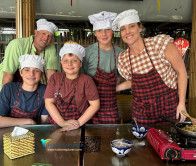
The biggest advantage of a beginner cooking class is that you learn by doing. You can prepare the ingredients, mix sauces, roll spring rolls, cook your dishes, and finally sit down to enjoy the results.
It is less like a formal cooking school and more like spending time in a Vietnamese kitchen with someone who knows all the local tricks.
Cam Thanh Cooking Class: Learn to Cook Surrounded by Nature
For travelers who want to combine food with countryside scenery, a Cam Thanh cooking class is an excellent choice.
Cam Thanh is known for its water coconut forest, peaceful waterways, farming traditions, and eco-tourism experiences. A cooking class here can feel very different from simply attending a workshop inside a city restaurant.
Depending on the itinerary, your experience may include a local market visit, a short countryside journey, traditional food preparation, and a meal featuring the dishes you have prepared.
The relaxed environment also makes Cam Thanh particularly suitable for families, couples, first-time cooks, and travelers who want to experience another side of Hoi An beyond the Ancient Town.
Intermediate Hoi An Cooking Classes: Take Your Skills Further
Already comfortable in the kitchen? Then a basic introduction may not be enough to keep you interested.
An intermediate-level cooking experience allows you to explore more distinctive Vietnamese dishes and develop a better understanding of how local cooks build flavor.
Try More Challenging Vietnamese Recipes
At this level, you may encounter dishes such as:
- Cao Lầu: Hoi An’s famous noodle dish with distinctive noodles, fresh herbs, vegetables, and savory toppings.
- Mì Quảng: A Central Vietnamese noodle specialty known for its turmeric-colored noodles, herbs, vegetables, and flavorful toppings.
- Vietnamese curries: Aromatic dishes that introduce different combinations of spices, coconut, herbs, and vegetables.
- Regional specialties: Dishes that reveal how Vietnamese cuisine changes from one part of the country to another.
Improve Your Cooking Techniques
Intermediate classes can introduce more techniques, including stir-frying, steaming, braising, seasoning, and controlling cooking temperatures.
You also begin to understand something fundamental about Vietnamese food: balance. Sweet, salty, sour, spicy, bitter, fresh, crunchy, soft, hot, and cold elements can all play a role in one meal.
Experiment with Familiar Recipes
Once you understand the basic principles, you can begin experimenting. Your instructor may show you how one recipe can be adjusted depending on the ingredients available, the season, or your personal taste.
This is particularly useful if you want to recreate Vietnamese dishes when you return home.
Advanced Vietnamese Cooking: For Serious Food Lovers
Experienced home cooks and culinary professionals may prefer a more challenging experience that goes beyond the basics.
Advanced cooking sessions can focus on regional cuisine, complex preparation methods, traditional recipes, and presentation.
Explore Regional Vietnamese Cuisine
Vietnam’s culinary identity is incredibly diverse. Northern, Central, and Southern cuisine each have their own ingredients, flavor profiles, and cooking traditions.
Hoi An is particularly interesting because Central Vietnamese food tends to be known for its distinctive flavors, careful presentation, and strong culinary heritage.
An advanced class can therefore become an opportunity to look beyond individual recipes and understand the regional character of Vietnamese cuisine.
Master More Elaborate Dishes
Experienced cooks may enjoy working with dishes requiring greater precision and patience, including bánh bao bánh vạc, better known internationally as Hoi An’s famous White Rose dumplings.
These delicate dumplings require careful preparation and shaping, making them a rewarding challenge for anyone who already feels comfortable with basic Vietnamese cooking.
Improve Presentation Skills
Vietnamese food is not only about flavor. Texture, color, freshness, and presentation are also important.
Advanced instruction can help you develop a better eye for plating, garnish, portioning, and the visual balance of a finished dish.
Vegetarians and Vegans Can Join Hoi An Cooking Classes Too
You don’t need to eat meat or seafood to enjoy a Vietnamese cooking experience.
Vietnamese cuisine makes extensive use of fresh vegetables, herbs, tofu, mushrooms, rice, noodles, tropical fruits, and other plant-based ingredients. If you follow a vegetarian or vegan diet, simply communicate your requirements when booking.
A dedicated Hoi An Vegetarian Cooking Class can be a particularly good option for travelers who want recipes designed around plant-based ingredients.
For strict vegans, remember to mention that you avoid ingredients such as fish sauce, oyster sauce, shrimp paste, eggs, and dairy products so that the instructor can make suitable adjustments.
Combine Cooking with a Hoi An Farming Experience
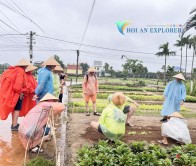
If you are curious about where Vietnamese ingredients come from, consider adding a Hoi An farming tour to your itinerary.
The countryside surrounding Hoi An has a strong agricultural tradition. Exploring local farms and seeing vegetables, herbs, and rice growing in the fields gives greater meaning to the ingredients you later use in the kitchen.
For an even more unusual countryside adventure, the Hoi An Buffalo Riding – Wet Rice Tour and Cooking Class combines rural activities with Vietnamese food culture.
It is an excellent choice for travelers who want to experience Hoi An beyond sightseeing and gain a closer understanding of traditional village life.
Take Your Culinary Adventure to Tra Que Vegetable Village
Another memorable option is a Tra Que cooking class.
Tra Que Vegetable Village is famous for its agricultural traditions and abundance of fresh herbs and vegetables. Combining a visit to the gardens with cooking creates a natural connection between farming and food.
You can discover how local produce is grown, learn about Vietnamese herbs, and then see how those ingredients are transformed into traditional dishes.
What About a Hoi An Coffee Class?
Vietnamese culinary culture goes well beyond food.
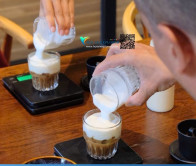
Coffee is an important part of everyday life in Vietnam, and travelers who enjoy specialty drinks can add a Hoi An coffee class to their food itinerary.
It is a fun way to discover Vietnamese coffee-making traditions and understand why coffee shops are such an important part of the country’s social culture.
How to Choose the Right Hoi An Cooking Class for You
With so many culinary experiences available, choosing the right one is easier when you know what matters to you.
Consider Your Cooking Experience
Be realistic about your skill level. Beginners should look for classes that emphasize demonstrations and step-by-step instruction, while experienced cooks may prefer classes featuring more challenging recipes and techniques.
Decide What You Want to Cook
Are you interested in famous Hoi An specialties such as Cao Lầu? Do you want to learn spring rolls and bánh xèo? Or are vegetarian and vegan dishes your priority?
Check the menu before booking so you choose an experience that genuinely interests you.
Think About the Location
A cooking class in central Hoi An may be convenient if you have a busy sightseeing schedule. A Cam Thanh cooking class or countryside experience is better if you want nature, farming, waterways, and a slower pace.
Check the Class Format
Some experiences are highly hands-on, while others include longer demonstrations. If your main goal is to improve your cooking skills, choose a class where you will have plenty of opportunities to prepare and cook the dishes yourself.
Look at the Group Size
Smaller groups can offer more personal interaction with the instructor, while larger groups can create a lively and social atmosphere.
Check Dietary Requirements
Vegetarian, vegan, allergy-friendly, and other dietary requests should ideally be communicated before the class begins.
What Makes a Hoi An Cooking Class Different from a Restaurant Meal?
Eating at a Hoi An restaurant is certainly enjoyable, but cooking the food yourself creates a completely different memory.
Instead of simply tasting Cao Lầu, you can learn what makes the dish distinctive. Instead of ordering bánh xèo, you can discover how to achieve that characteristic crispy texture. Instead of wondering how Vietnamese spring rolls stay perfectly wrapped, you can practice making them yourself.
And when you return home, you take more than photographs with you. You take recipes, techniques, food memories, and a little knowledge of Vietnamese culinary culture.
Turn Your Cooking Class into a Full Hoi An Food Adventure
A cooking class can easily become part of a larger food-focused itinerary.
Start your day with a local market visit, continue to a countryside cooking class, explore Cam Thanh or Tra Que, and finish the evening with a riverside meal or cruise.
For a relaxed evening experience, you could even consider a Hoi An wooden boat party tour and enjoy the illuminated riverside scenery after your culinary adventure.
Quick Guide: Which Hoi An Cooking Class Is Right for You?
| Traveler | Recommended Experience | Why |
|---|---|---|
| First-time cook | Beginner Hoi An cooking class | Simple recipes and step-by-step guidance |
| Experienced home cook | Intermediate cooking class | More complex recipes and techniques |
| Serious food enthusiast | Advanced Vietnamese cooking | Regional dishes, techniques, and presentation |
| Vegetarian or vegan traveler | Hoi An Vegetarian Cooking Class | Plant-based menus and suitable ingredients |
| Nature lover | Cam Thanh cooking class | Cooking combined with countryside scenery |
| Farm-to-table enthusiast | Tra Que cooking class | Connect local farming with Vietnamese cuisine |
| Adventure traveler | Buffalo riding, wet rice and cooking experience | Combines rural life, farming, and food |
Final Thoughts: Your Vietnamese Cooking Adventure Starts in Hoi An
You don’t need to be a professional chef to enjoy a Hoi An cooking class. You don’t even need to be particularly confident in the kitchen.
Perhaps you are learning your first knife skills, discovering how to roll fresh spring rolls, trying to recreate Cao Lầu, or challenging yourself with delicate White Rose dumplings. Whatever your experience level, Hoi An provides an inviting place to learn.
The real magic lies in the combination of food, people, countryside, and culture. You meet local cooks, discover unfamiliar ingredients, learn traditional techniques, and eventually sit down to enjoy something you created with your own hands.
So leave the restaurant menu behind for a few hours, put on an apron, and step into the kitchen. From a first-time beginner to an enthusiastic home chef, there is a Hoi An cooking class waiting to make your Vietnamese food adventure even more memorable.